


Most Common Fabrics Used in Turkish Wholesale Clothing
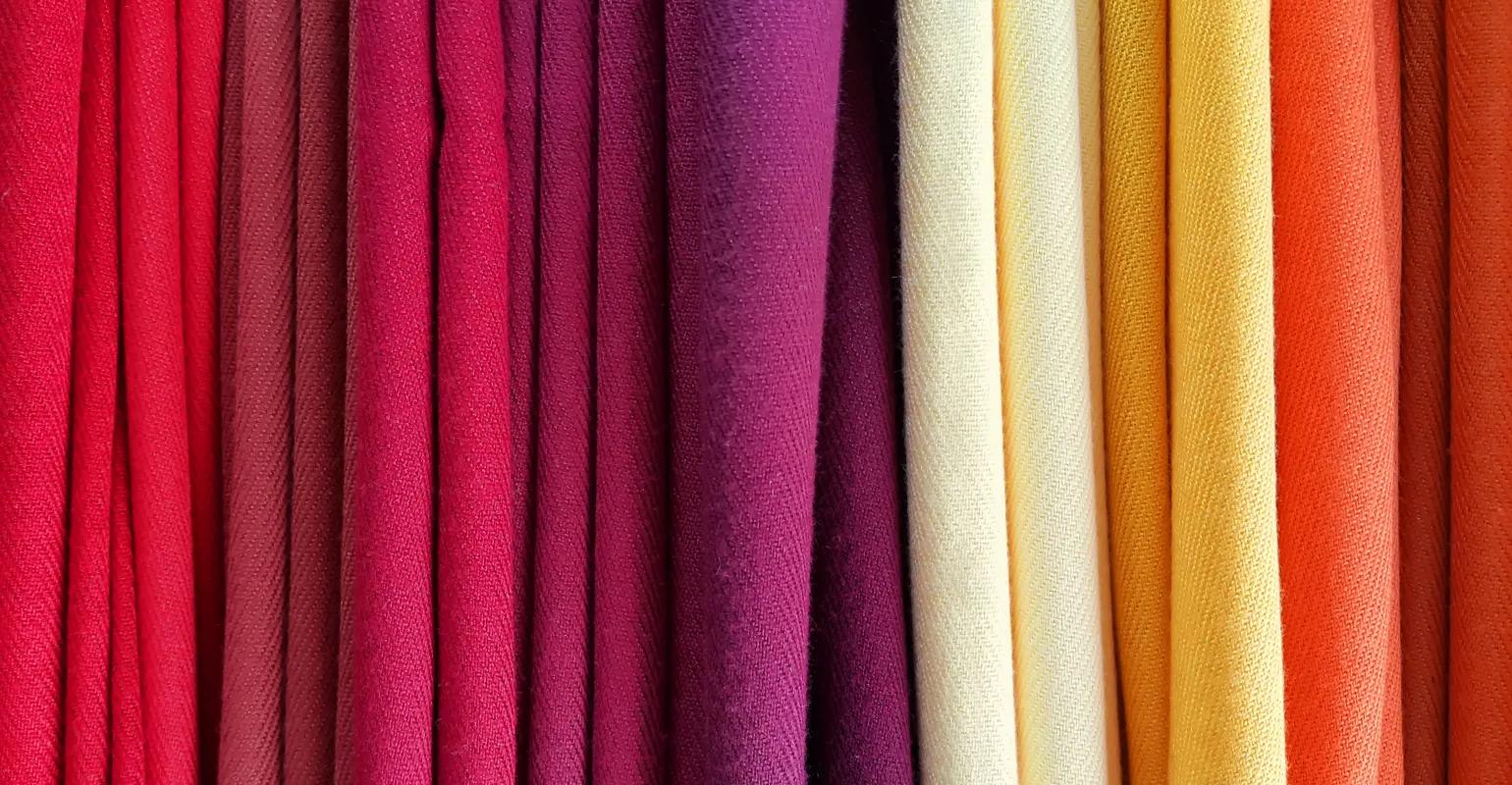
When sourcing wholesale clothing from Turkey, fabric selection is not just a technical detail, it directly affects product quality, pricing strategy, customer satisfaction, and long-term brand positioning. For boutique owners and online retailers, understanding which fabrics are commonly used in Turkish wholesale clothing helps you make smarter buying decisions and communicate product value clearly to your customers.
Turkey has built a strong reputation in global apparel manufacturing due to its vertically integrated textile industry, advanced knitting and weaving infrastructure, and consistent fabric standards. From premium cotton basics to structured denim and breathable linen blends, Turkish manufacturers offer a wide range of fabrics suitable for different price segments and target markets.
For international buyers in Europe, the UK, North America, and the Middle East, fabric composition also plays a key role in compliance, labeling, seasonality planning, and return rates. Choosing the right material impacts shrinkage, durability, color retention, and overall garment performance.
In this guide, we will break down the most common fabrics used in Turkish wholesale clothing, explain their advantages and limitations, and help you determine which materials best fit your boutique’s positioning and customer expectations.
Cotton Fabric
Cotton is the most widely used fabric in Turkish wholesale clothing and a cornerstone of the country’s textile industry. Turkey is one of the leading cotton producers globally, and its domestic cotton supply supports a highly developed spinning, knitting, and garment manufacturing ecosystem. For boutique owners, cotton represents a reliable, versatile, and commercially safe fabric choice.
In wholesale collections, cotton is commonly used for T-shirts, oversized basics, sweatshirts, joggers, dresses, babywear, and casual sets. It is valued for its breathability, softness, and skin-friendly properties. These characteristics make cotton especially attractive for brands targeting comfort-driven markets and everyday wear segments. If you want to understand more about Turkey’s natural fiber strength, you can explore this detailed guide on natural fibers from Türkiye: cotton, wool, linen.
Turkish cotton garments often stand out for their fabric density and finishing quality. Many manufacturers offer combed cotton, organic cotton, and compact yarn options, which reduce pilling and improve durability. This matters for online retailers, as better fabric quality directly reduces return rates and increases repeat purchases.
From a pricing perspective, cotton offers flexibility. It can support both entry-level wholesale collections and mid-premium boutique lines, depending on fabric weight (GSM), yarn quality, and finishing techniques.
However, buyers should also consider shrinkage and care requirements. Pre-washed or enzyme-treated cotton options are widely available in Turkey and help minimize post-sale issues.
For most new online boutiques, cotton-based products are often the safest starting point due to their universal demand and easy market positioning.
Polyester and Blended Fabrics
Polyester and polyester-based blends are widely used in Turkish wholesale clothing, particularly in fashion-forward, structured, and performance-oriented categories. While cotton dominates basic collections, polyester plays a strategic role in garments that require durability, wrinkle resistance, color retention, and shape stability.
In wholesale lines, polyester is commonly used for dresses, blouses, tailored trousers, outerwear, sportswear, and occasionwear. It is especially popular in fast-moving fashion segments because it holds prints and vibrant colors exceptionally well. For online boutiques, this is important: strong color consistency and minimal fading reduce customer complaints and returns.
Blended fabrics, such as cotton-polyester or polyester-elastane, combine comfort with functionality. For example, adding elastane improves stretch and recovery, which is critical in bodycon dresses, fitted tops, and activewear. Cotton-poly blends reduce wrinkling and shrinkage compared to pure cotton, making them practical for everyday collections.
From a wholesale perspective, polyester blends often allow competitive pricing without compromising garment structure. They are also easier to maintain, which appeals to end consumers looking for low-care fashion.
However, quality varies significantly depending on yarn grade and finishing. Experienced Turkish manufacturers typically offer different polyester qualities, including lightweight chiffon, crepe, scuba, and technical knit variations.
For boutiques targeting trend-driven, structured, or occasion-based collections, polyester and blended fabrics provide both design flexibility and commercial efficiency.
Viscose and Modal
Viscose and modal are semi-synthetic fabrics widely used in Turkish wholesale clothing, especially in collections that prioritize softness, fluidity, and elevated comfort. Although derived from natural cellulose (usually wood pulp), these fabrics are engineered to offer smoother texture and improved drape compared to traditional cotton.
In wholesale fashion, viscose is commonly used for blouses, flowy dresses, skirts, wide-leg trousers, and lightweight summer sets. Its breathable structure makes it suitable for warm climates, while its silk-like finish gives garments a more premium visual appeal. For online boutiques, this allows positioning products slightly above basic cotton categories without moving into high-end price brackets.
Modal, often considered an upgraded version of viscose, is softer, more resistant to shrinkage, and better at retaining color. It is frequently used in loungewear, basic tops, undergarments, and minimalist capsule collections. Many Turkish manufacturers blend modal with elastane or cotton to enhance stretch and durability.
From a commercial standpoint, viscose and modal fabrics support a “comfortable yet refined” product strategy. They photograph well for e-commerce due to their smooth surface and natural flow. However, buyers should confirm washing and care instructions, as lower-quality viscose can wrinkle or lose shape if not properly processed.
For boutiques focused on modern, feminine, and comfort-driven styles, viscose and modal offer strong differentiation compared to standard cotton basics.
Linen and Linen Blends
Linen is a natural fabric made from flax fibers and is widely used in Turkish wholesale clothing, particularly for spring and summer collections. It is valued for its breathability, lightweight texture, and natural aesthetic. For boutique owners targeting warm-weather markets or resort-inspired collections, linen represents a strong seasonal fabric choice.
In wholesale lines from Turkey, linen is commonly used for shirts, relaxed trousers, two-piece sets, oversized blazers, dresses, and vacation-ready pieces. Its slightly textured surface and matte finish create a premium, effortless look that aligns well with minimalist and Mediterranean-inspired fashion trends.
However, pure linen wrinkles easily and can feel structured compared to softer fabrics like viscose or cotton. To address this, many Turkish manufacturers offer linen blends, typically combined with cotton or viscose. These blends reduce excessive wrinkling while maintaining breathability and natural texture. Linen-viscose blends, for example, improve drape and comfort, making garments more wearable for everyday customers.
From a pricing perspective, linen products usually sit in the mid-to-upper wholesale range due to fiber cost and seasonal demand. For online boutiques, linen collections often perform well during summer campaigns and holiday periods, especially in European and Middle Eastern markets.
When sourcing linen garments, buyers should review fabric weight and weave density to ensure consistency. Higher-quality linen maintains structure without becoming too stiff or transparent.
Denim and Knit Fabrics
Denim and knit fabrics represent two of the most commercially important categories in Turkish wholesale clothing. Turkey is internationally recognized for its denim production capacity, advanced washing technologies, and high-quality knit manufacturing infrastructure. For boutique owners, these fabrics support both everyday essentials and structured fashion pieces.
Denim Fabric
Denim is a durable cotton-based twill fabric most commonly used for jeans, jackets, skirts, and structured dresses. Turkish denim manufacturers are known for consistent fabric weight (measured in ounces), modern washing techniques, and stretch blends that improve comfort. Elastane-blended denim is particularly popular, as it enhances flexibility while maintaining shape.
Turkey’s expertise in garment washing, laser treatments, and sustainable finishing methods allows wholesalers to offer trend-driven styles with controlled fading and distressing. For online retailers, this ensures visual consistency across product photography and bulk orders. If you are sourcing denim products specifically, you can explore available styles directly through the Turkish wholesale jeans collection to review different cuts, washes, and stretch options from verified suppliers.
Knit Fabrics
Knit fabrics, produced through looping yarn rather than weaving, are widely used in T-shirts, sweatshirts, joggers, bodycon dresses, and activewear. Common knit types include jersey, rib, interlock, and fleece. Turkish knitwear stands out for fabric density, smooth finishing, and durability.
For boutiques starting out, knit-based products are often a safe entry point because they are versatile, size-flexible, and suitable for multiple seasons.
Denim supports structured, fashion-forward collections, while knit fabrics enable comfort-driven and high-rotation basics. Together, they form the backbone of many successful Turkish wholesale clothing lines.
Selecting the right fabric is a strategic decision when sourcing wholesale clothing from Turkey. Fabric composition influences product quality, pricing structure, customer satisfaction, and long-term brand positioning.
Cotton ensures dependable basics. Polyester and blends provide structure and durability. Viscose and modal enhance softness and drape. Linen strengthens seasonal collections. Denim and knit fabrics form the foundation of both structured and everyday styles.
If you are ready to move from research to sourcing, reviewing trusted suppliers is the logical next step. You can explore verified manufacturers through this curated list of 5 popular Turkish wholesale suppliers and you can place your order immediately through BtoBTurk.