


Top Modest Fashion Trends in Wholesale Clothing
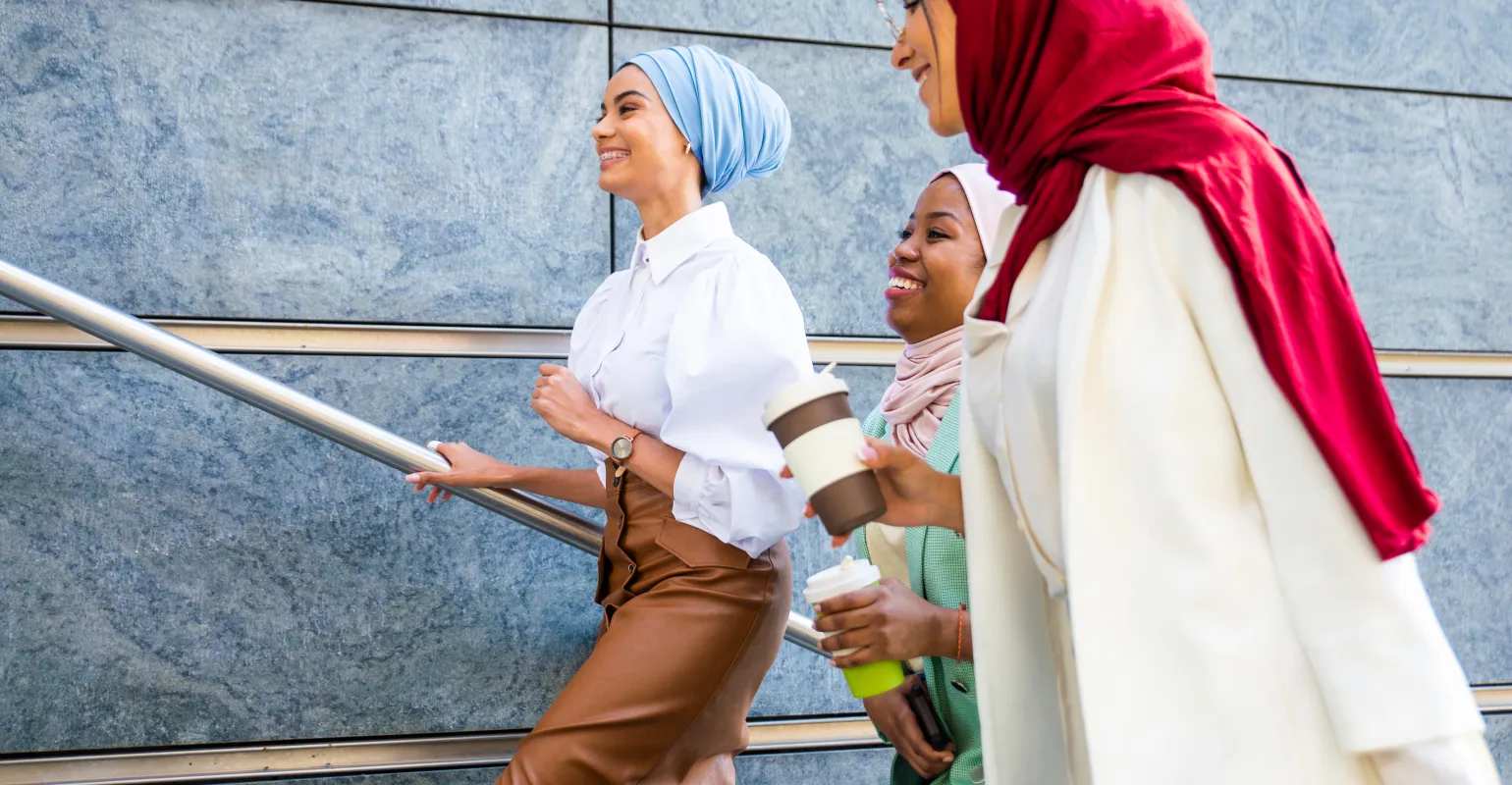
Modest fashion is no longer a niche segment within the global apparel industry. Over the past decade, it has evolved into a structured, high-demand category that influences design, sourcing strategies, and online retail models worldwide. For wholesale buyers and boutique owners, understanding modest fashion trends is not simply about following aesthetics. It is about identifying consistent demand, strong repeat purchase behavior, and long-term customer loyalty.
In wholesale fashion, modest clothing refers to garments designed with less revealing silhouettes, longer hemlines, higher necklines, and relaxed fits. However, modest fashion is not limited to religious wear. It appeals to a wide consumer base, including women who prefer comfort, layered styling, professional coverage, or culturally aligned dress codes.
For entrepreneurs launching an online boutique or retailers expanding into international markets, modest fashion presents a scalable opportunity. Demand is growing across Europe, the UK, North America, and the Middle East, driven by social media visibility, inclusive sizing trends, and the global rise of modest lifestyle influencers.
For B2B buyers sourcing from Turkey, the category is particularly relevant. Turkish manufacturers combine trend awareness, quality fabrics, and flexible production, making wholesale modest fashion a commercially attractive segment.
If positioned correctly, modest fashion is not just a trend.It is a stable and expanding wholesale category.
What Is Modest Fashion? Definition, Market Growth, and Global Demand
Modest fashion refers to clothing designed to provide greater body coverage while maintaining contemporary style. Core design elements typically include long sleeves, maxi or midi lengths, loose silhouettes, high necklines, layering pieces, and opaque fabrics. Importantly, modest fashion is not limited to one religion, region, or age group. It serves a broad consumer base that values comfort, elegance, cultural identity, or professional appropriateness.
From a wholesale perspective, modest fashion is a structured and commercially viable category. It includes dresses, tunics, abayas, coordinated sets, wide-leg trousers, modest eveningwear, and layering essentials. These products are not seasonal novelties; they form repeat-purchase wardrobe staples for many customers.
Market growth has been driven by three main factors. First, digital visibility through social media and modest fashion influencers has normalized covered styling globally. Second, the rise of inclusive fashion has encouraged brands to expand size ranges and offer less body-focused silhouettes. Third, cross-border e-commerce has made modest collections accessible to international buyers without relying on local production.
For boutique owners and online retailers, this means predictable demand and strong average order values, particularly in categories like maxi dresses and coordinated sets. Wholesale buyers who understand modest fashion as a long-term market segment can build stable product strategies around it.
Top Modest Fashion Trends in Wholesale for 2026
In 2026, modest fashion trends in wholesale are shaped by versatility, comfort, and elevated basics. Retail buyers are no longer sourcing only traditional modest garments; they are looking for contemporary pieces that combine coverage with trend relevance.
1. Coordinated Sets (Two-Piece Modest Sets)
Matching tunic-and-trouser sets and long skirt ensembles continue to dominate wholesale orders. They simplify styling for customers and increase perceived value. Neutral tones, soft tailoring, and breathable fabrics make them suitable for both casual and semi-formal wear.
2. Relaxed Tailoring and Structured Overshirts
Loose blazers, longline vests, and overshirts layered over inner basics are gaining traction. These pieces appeal to professional women seeking modest office wear without sacrificing modern silhouettes.
3. Maxi Dresses with Minimal Detailing
Clean-cut maxi dresses with subtle pleats, belt accents, or soft draping remain best-sellers. Buyers increasingly prefer timeless designs over heavy embellishments, as they offer longer selling cycles and lower return rates.
4. Premium Everyday Fabrics
Wholesale demand is shifting toward cotton blends, viscose, linen blends, and lightweight crepe fabrics. Customers expect breathable, non-transparent materials that support layering.
5. Neutral and Earth-Tone Palettes
Beige, olive, chocolate, stone, and muted pastels outperform overly bold prints. These tones improve mix-and-match potential and increase average basket size.
Best-Selling Modest Clothing Categories in Wholesale Fashion
For boutique owners and online retailers, selecting the right product categories is more important than chasing short-term trends. In wholesale modest fashion, certain categories consistently generate stable demand, strong margins, and repeat purchases.
Maxi dresses are among the most reliable sellers. Their versatility makes them suitable for everyday wear, special occasions, and seasonal transitions. Clean silhouettes and breathable fabrics typically perform better than heavily embellished designs, as they appeal to a broader international audience. Buyers sourcing modest dresses can explore collections from Turkey.
By structuring inventory around these core categories, wholesale buyers can build commercially sustainable modest fashion collections that perform across multiple international markets.