



Ultimate Guide to Buying Wholesale Clothing from Turkey
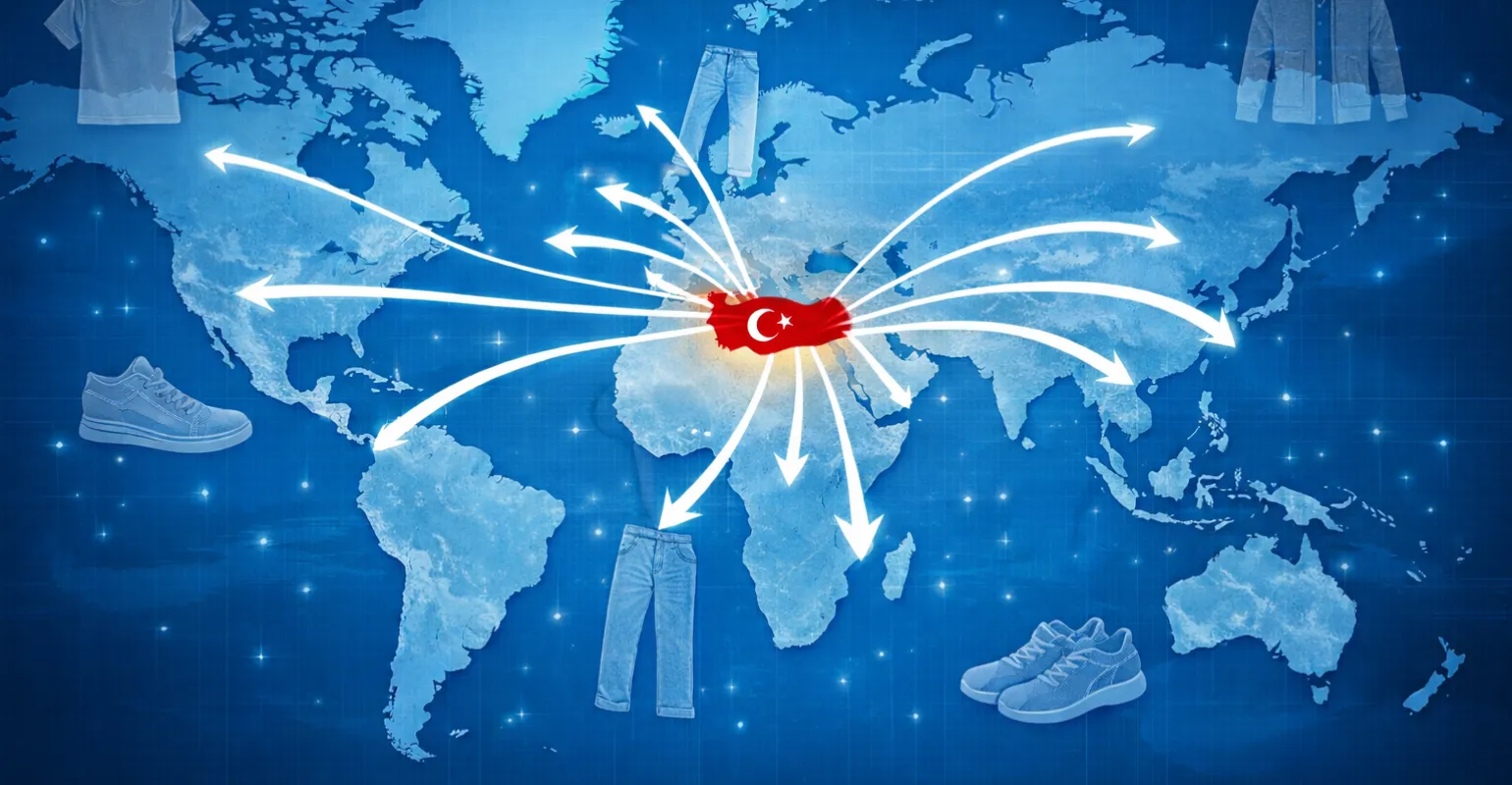
Starting an online or offline boutique in 2026 is no longer just about having good taste or a strong social media presence. Success increasingly depends on where and how you source your products, how reliably you can restock, and whether your supply chain can scale as demand grows. For entrepreneurs and retailers alike, sourcing wholesale clothing from Turkey has become a strategic advantage rather than a niche option.
Turkey sits at the intersection of Europe, Asia, and the Middle East, offering a rare combination of high-quality manufacturing, fast production cycles, flexible order quantities, and competitive pricing. From premium cotton basics to trend-driven womenswear, modest fashion, and private-label collections, Turkish suppliers serve a wide range of global markets with consistency and speed.
This guide explains, step by step, what are the advantages of sourcing wholesale apparel from Turkey and how can you start. It covers supplier types, buying processes, fabric options, logistics, quality control, and long-term scaling strategies designed to help you make informed, low-risk decisions as you build a profitable online fashion business.
Why Turkey Is a Global Hub for Wholesale Apparel Sourcing
Turkey has emerged as one of the most strategic sourcing destinations for global fashion retailers and boutique owners. Its strength lies not in a single advantage, but in a balanced combination of quality, speed, flexibility, and geographic reach that is a mix that few other countries can offer simultaneously.
Located at the crossroads of Europe, Asia, and the Middle East, Turkey serves as a natural bridge between Eastern manufacturing capacity and Western market standards. This positioning allows Turkish suppliers to deliver shorter lead times to Europe and the UK, while still maintaining efficient shipping routes to North America and the Middle East. For online boutiques operating on fast fashion cycles or seasonal drops, this speed directly impacts cash flow and inventory risk.
Turkey also has a deeply integrated textile ecosystem. Unlike countries that rely heavily on imported raw materials, Turkey produces much of its own yarns, fabrics, and finished garments domestically. This vertical integration results in better quality control, more consistent sizing and fabric performance, and faster response to design changes or reorders.
Another key reason Turkey stands out in wholesale clothing sourcing is its production flexibility. Many Turkish manufacturers are willing to work with lower minimum order quantities (MOQs) compared to large-scale Asian factories, making Turkey especially attractive for first-time boutique owners and niche brands. At the same time, these suppliers are fully capable of scaling production as demand grows.
In short, Turkey functions not just as a manufacturing country, but as a reliable long-term sourcing partner for online boutiques that value quality, agility, and sustainable growth.
Turkey’s Position in the Global Apparel Supply Chain
Turkey occupies a distinct and increasingly influential position in the global apparel supply chain. Unlike countries that specialize solely in low-cost mass production or high-end luxury manufacturing, Turkey operates effectively in the mid-to-premium wholesale segment, serving both volume-driven retailers and quality-focused boutique brands.
One of Turkey’s defining roles is its function as a nearshore manufacturing base for Europe. European fashion brands rely on Turkish suppliers to shorten lead times, respond quickly to trends, and reduce overstock risk. This same advantage extends to international online boutiques, particularly those selling season-sensitive or trend-driven collections. Compared to long-distance sourcing models, Turkey enables faster sampling, quicker production approval, and more predictable delivery windows.
Turkey’s supply chain is also vertically integrated at scale. Yarn spinning, fabric knitting and weaving, dyeing, finishing, garment production are often handled within the same industrial regions. This reduces dependency on external suppliers, limits quality variation, and allows manufacturers to maintain tighter control over timelines and specifications. For buyers, this means fewer production surprises and more consistent repeat orders.
From a compliance standpoint, Turkish manufacturers are accustomed to working with international buyers and global standards. Many factories already meet EU regulations related to product safety, chemical use, labeling, and labor practices. This familiarity lowers the compliance burden for retailers selling into regulated markets such as the EU and UK.
In the context of wholesale garment from Turkey sourcing, Turkey’s role is best understood as a strategic middle ground: faster and more flexible than far-east sourcing, more scalable and cost-efficient than Western Europe. This positioning makes Turkey particularly well-suited for online boutiques that need reliability, adaptability, and long-term supplier relationships rather than one-off transactions.
Key Advantages of Sourcing Wholesale Clothing from Turkey
Sourcing wholesale clothing from Turkey provides a practical set of advantages that directly benefit online boutiques at both early and growth stages. These advantages impact speed, quality, cost control, and long-term supplier relationships.
Shorter lead times and faster replenishment
Consistent product quality
Flexible minimum order quantities (MOQs)
Broad product and category coverage
Export-ready and compliance-friendly production
Efficient logistics and predictable shipping with BtoBTurk
These combined advantages make Turkey a reliable and scalable sourcing destination for online boutiques focused on quality, speed, and long-term growth rather than one-time purchasing.
Private Label, White Label, and Custom Production Options
One of the key reasons online boutiques choose Turkey as a sourcing destination is the wide range of branding and production models available. Turkish suppliers are experienced in working with international brands at different stages, offering private label, white label, and custom production options depending on business needs and order volume.
White label production involves purchasing pre-designed garments and branding them with your own labels, tags, or packaging. This model is fast, cost-efficient, and ideal for new boutiques testing a market. Lead times are short, and minimum order quantities are generally lower, but product differentiation is limited to branding and presentation.
Private label production offers more flexibility. Buyers can modify existing designs by selecting fabrics, colors, sizing, and trims while still using a supplier’s base patterns. This approach balances speed and differentiation, making it popular among growing online boutiques that want to establish a distinct brand identity without full design development.
Custom production is the most advanced model. Buyers provide original designs, technical packs, and branding specifications, and the manufacturer produces garments exclusively for the brand. This option provides maximum control over design and positioning but requires higher MOQs, longer development timelines, and stronger quality control processes.
Turkey’s manufacturing ecosystem supports all three models efficiently. Many suppliers can start with white or private label and transition the same buyer into custom production as order volumes increase. For businesses sourcing wholesale garment from Turkey, this flexibility enables a clear growth path without the need to change sourcing countries or rebuild supplier relationships.
Selecting the right model depends on budget, timeline, and brand strategy, but Turkey’s adaptability makes it possible to evolve your approach as your online boutique matures.
Turkey vs Other Manufacturing Countries: Strategic Overview
When choosing a sourcing country for an online boutique, the decision is rarely about finding the cheapest option. It is about balancing cost, quality, speed, flexibility, and risk. In this context, Turkey occupies a strategic middle ground between low-cost mass producers and high-cost premium manufacturing countries.
Compared to China, Turkey offers higher flexibility and shorter lead times. While China remains dominant for large-scale, price-driven production, it often requires high minimum order quantities and long production cycles. For online boutiques testing new products or running frequent drops, this can create inventory risk and slow market response.
Against Bangladesh and India, Turkey stands out in terms of quality consistency, fabric sourcing, and communication. These countries excel in volume production and competitive pricing, but longer shipping times, variable quality control, and more complex coordination can challenge smaller or mid-sized retailers.
When compared with Italy or Portugal, Turkey is significantly more cost-efficient while still meeting international quality and compliance standards. European manufacturing hubs are often ideal for luxury brands but can be financially restrictive for growing online boutiques.
Strategically, Turkey functions as a hybrid sourcing destination:
More agile and responsive than far-east suppliers
More scalable and affordable than Western Europe
Better suited for mid-range to premium wholesale fashion
Best Country for Wholesale Clothing: Strategic Comparison Factors
There is no single “best” country for wholesale clothing in absolute terms. The right sourcing country depends on how well it aligns with your business model, target market, and growth strategy. When comparing countries, experienced buyers evaluate a consistent set of strategic factors rather than focusing solely on unit price.
Cost structure is usually the starting point, but not the deciding factor. Low production costs can be offset by high minimum order quantities, long lead times, or quality inconsistencies. Countries with the lowest unit prices often require larger upfront commitments and higher inventory risk.
Lead time and responsiveness play a critical role for online boutiques. Faster production and shipping allow brands to react to trends, test products, and restock winners. Turkey performs strongly here, especially compared to far-east sourcing destinations.
Minimum order quantities (MOQs) directly impact cash flow and risk exposure. Countries that specialize in mass production typically require large MOQs, while Turkey offers greater flexibility, making it suitable for both startups and scaling brands.
Quality consistency and fabric access are essential for brand reputation. Countries with vertically integrated textile industries provide more reliable outcomes. Turkey’s domestic fabric production reduces variation between orders and improves repeatability.
Communication and operational friction are often underestimated. Language barriers, unclear documentation, and time-zone gaps slow decision-making and increase error rates. Turkey’s export-oriented industry and proximity to major markets reduce these issues.
Compliance and market readiness matter for international sales. Buyers selling into regulated markets must consider labeling, safety standards, and sustainability requirements.
When evaluated across these factors, Turkey consistently ranks as a strategically balanced sourcing country not the cheapest, but among the most reliable for online boutiques seeking scalable, low-risk growth in wholesale fashion.
How to Buy Wholesale Clothing from Turkey: End-to-End Process
For international buyers, understanding the full purchasing workflow is essential to avoid delays, cost overruns, and supplier risk. Buying wholesale clothing from Turkey follows a structured process, and using a B2B marketplace significantly simplifies each step especially for first-time buyers.
BtoBTurk is designed to centralize this end-to-end process. Instead of sourcing blindly, buyers gain access to pre-vetted Turkish manufacturers and wholesalers, with clear product information, pricing frameworks, and export-ready documentation.
The process typically begins with supplier and product discovery. Buyers review collections, minimum order quantities, production capabilities, and available customization options. This stage is critical for aligning product selection with target market positioning, pricing strategy, and logistics constraints.
Next buyers receive detailed proforma invoices covering unit prices, MOQs, production timelines, packaging details, and shipping terms. Clear cost visibility at this stage helps buyers plan margins accurately and manage cash flow.
Once terms are agreed, the process moves to production or order preparation. For ready-stock wholesale, this may involve immediate order fulfillment. For private label or custom orders, sampling, approvals, and production milestones are defined upfront.
The final stages include quality checks, export documentation, and shipping coordination. Reputable marketplaces ensure that invoices, packing lists, certificates, and customs paperwork are aligned with international import requirements.
For businesses learning how to buy from Turkey, an end-to-end marketplace approach reduces operational complexity, improves transparency, and allows buyers to focus on sales and brand growth rather than supplier management.
Step-by-Step Wholesale Buying Process from Turkey
Buying wholesale clothing from Turkey becomes far more manageable when broken down into clear, sequential steps. This structured approach helps minimize risk, control costs, and ensure smooth execution—especially for international buyers and first-time boutique owners.
Define your product and market requirements
Start by clarifying your target market, price range, product categories, and quality expectations. This determines whether you should work with wholesalers, manufacturers, or a mixed sourcing model.Identify and evaluate suppliers
Use trusted channels such as B2B marketplaces to compare suppliers based on product range, MOQs, lead times, certifications, and export experience. Verified suppliers reduce the risk of misrepresentation.Request pricing and samples
Ask for detailed quotations, including unit price, customization options, packaging, and delivery terms. For custom or private-label orders, request samples to evaluate fabric quality, sizing, and workmanship.Confirm order terms and documentation
Once satisfied, confirm quantities, production timelines, payment terms, and shipping method. Ensure the proforma invoice clearly outlines all agreed details.Production or order preparation
For ready-stock wholesale, this stage involves order picking and packing. For production orders, sampling approval and production milestones are followed according to schedule.Quality control and final inspection
Many buyers perform pre-shipment checks to confirm quantities, labeling, and workmanship. This step is crucial for reducing returns and disputes.Shipping and customs clearance
The supplier or marketplace prepares export documents, and the goods are shipped under agreed Incoterms. Buyers then handle import clearance in their destination country.
Following this step-by-step structure helps businesses buy wholesale from Turkey with confidence, predictability, and scalability. With BtoBTurk you can shop from verified manufacturers without worrying about customs and logistics.
Marketplace vs Direct Factory Sourcing
Choosing between a B2B marketplace and direct factory sourcing is a strategic decision that depends on your experience level, order volume, and risk tolerance. Both models are common when sourcing wholesale clothing from Turkey, but they serve different business needs.
B2B marketplaces act as an intermediary layer between buyers and suppliers. BtoBTurk curate and verify manufacturers and wholesalers, and provide structured workflows for pricing, documentation, and order management. For first-time buyers and small to mid-sized online boutiques, this model significantly reduces risk. Supplier vetting, clearer pricing, and guided processes help avoid common issues such as quality mismatches, unclear terms, or incomplete export paperwork.
Marketplaces are also efficient for multi-supplier sourcing. Buyers can compare different product categories, MOQs, and production capabilities without negotiating separately with each factory. This saves time and allows boutiques to diversify their product range early without committing to deep supplier relationships.
Direct factory sourcing, on the other hand, can benefit higher margins at scale. Working directly with a manufacturer allows for deeper customization, tighter integration into production planning. However, this approach requires stronger operational capacity. Buyers must manage supplier verification, quality control, contract negotiation, and logistics independently. For businesses unfamiliar with how to buy wholesale from Turkey, this can introduce significant risk.
Wholesale Clothing Categories Available from Turkey
Turkey offers one of the most diverse wholesale apparel portfolios in the global market, making it possible for online boutiques to source multiple categories from a single country while maintaining consistent quality and supply reliability. This diversity is a key reason why many international buyers consolidate their wholesale fashion sourcing through Turkish suppliers.
At the core of Turkey’s wholesale offering are fashion-forward, fast-moving categories as well as long-term replenishment basics. Buyers can source both trend-led collections and evergreen products without switching sourcing regions or production standards.
Key wholesale clothing categories available from Turkey include:
Menswear
Casualwear, smart-casual pieces, denim, knitwear, outerwear, and basics such as t-shirts and sweatshirts. Turkish menswear is known for fabric quality and consistent sizing.Womenswear
Dresses, tops, skirts, trousers, knitwear, outerwear, and seasonal collections. Turkey is particularly strong in mid-range to premium womenswear suitable for online boutiques.Kidswear and baby clothing
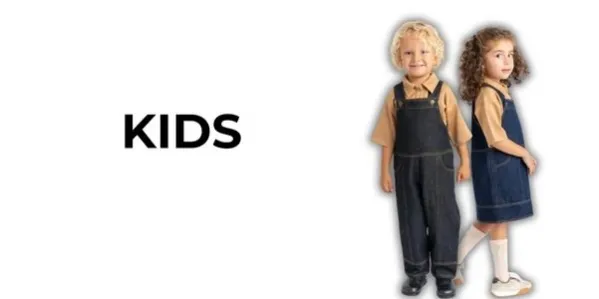
Cotton-focused collections with attention to comfort, durability, and safety standards. Many suppliers specialize in export-compliant children’s apparel.Modest fashion and hijab wear
A rapidly growing category including long dresses, tunics, abayas, and coordinated sets, serving Middle Eastern, European, and global markets.Activewear, sportswear, and athleisure
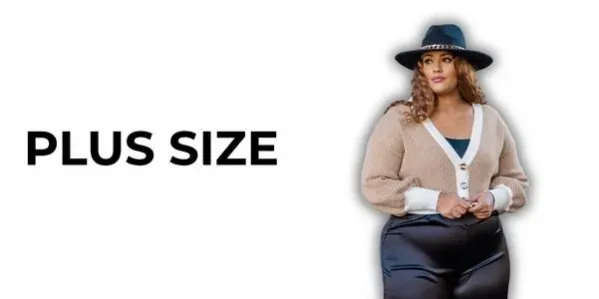
Performance-focused garments, leggings, sets, and technical fabrics, produced with modern knitting and finishing technologies.Plus-size and extended-size apparel
Inclusive sizing options across multiple categories, often underserved in other sourcing markets.
This breadth allows online boutiques to expand into new categories, test demand, and scale assortments efficiently. By sourcing wholesale garment from Turkey, retailers gain access to a flexible, multi-category supply base that supports both niche positioning and long-term growth strategies.
Fabrics and Materials Sourced from Turkey
One of the strongest competitive advantages of sourcing wholesale clothing from Turkey is access to a wide range of high-quality fabrics produced within the country. Turkey is not only a garment manufacturing hub but also a major textile raw material and fabric producer, which gives buyers better consistency, traceability, and control over finished products.
Turkish suppliers work extensively with natural, synthetic, and blended fabrics, allowing online boutiques to align material choices with brand positioning, climate requirements, and price targets. Because fabric production is largely domestic, lead times are shorter and minimums are more flexible compared to countries that rely heavily on imported textiles.
Key fabric categories commonly sourced from Turkey include:
Cotton-based fabrics
Turkey is globally recognized for its cotton quality. Fabrics are widely used in t-shirts, dresses, kidswear, underwear, and everyday basics. Cotton sourcing supports both mass-market and premium segments.Knitted fabrics
Jersey, rib, interlock, fleece, and pique are core strengths of Turkish mills. These fabrics are essential for casualwear, loungewear, and athleisure collections.Woven fabrics
Poplin, twill, denim, satin, and viscose blends are commonly used in shirts, trousers, skirts, and outerwear. Turkish woven fabrics balance durability with comfort and drape.Synthetic and blended materials
Polyester, elastane, polyamide, and performance blends are widely available for activewear, swimwear, and technical garments.Sustainable and certified materials
Many suppliers offer organic cotton, recycled fibers, and certified fabrics aligned with international sustainability standards.
For buyers sourcing wholesale garment from Turkey, this fabric diversity enables precise product-market alignment. It also simplifies scaling across seasons and categories while maintaining consistent material quality an essential factor for building a reliable and recognizable online boutique brand.
Common Mistakes When Buying Wholesale from Turkey
Sourcing wholesale clothing from Turkey offers significant advantages, but many buyers encounter avoidable problems due to poor preparation or unrealistic expectations. Understanding common mistakes helps reduce risk and improve long-term sourcing outcomes.
One frequent mistake is choosing suppliers based on price alone. While competitive pricing is important, unusually low quotes often signal compromises in fabric quality, workmanship, or compliance. Successful buyers evaluate total value, including lead time, consistency, and communication reliability.
Another common issue is skipping samples or quality checks. Even when sourcing ready-made wholesale garments, fabric weight, sizing, stitching, and finishing can vary between suppliers. Ordering samples or conducting pre-shipment inspections helps prevent costly returns and customer dissatisfaction.
Unclear order specifications also cause problems. Vague agreements on sizing, labeling, packaging, or color shades often lead to disputes. Buyers should ensure that all details are documented clearly in proforma invoices and order confirmations.
Many first-time buyers underestimate the importance of logistics and customs planning. Not understanding Incoterms, import duties, or required documentation can result in delays, unexpected costs, or goods being held at customs.
Another mistake is working with unverified suppliers, especially outside structured platforms. Without proper verification, buyers risk misrepresentation, delayed production, or incomplete documentation.
Finally, some businesses fail to plan for scaling. Treating each order as a one-off transaction rather than building a repeatable process limits long-term growth.
Avoiding these mistakes allows buyers to buy wholesale from Turkey more confidently, protect margins, and build stable supplier relationships that support sustainable online boutique growth. You can choose BtoBTurk to shop wholesale without experience any problem.
Is Turkey the Right Sourcing Country for Your Business?
Turkey is the right sourcing country for multiple apparel business it is an excellent fit for a wide range of online boutiques and growing retailers. The key is aligning Turkey’s strengths with your commercial priorities and operational capabilities.
Turkey is particularly well-suited for businesses that value speed, flexibility, and quality consistency. If your boutique relies on trend responsiveness, seasonal drops, or frequent restocking, Turkey’s shorter lead times and agile production cycles provide a clear advantage. Brands that prioritize fabric feel, fit consistency, and reliable repeat orders also benefit from Turkey’s vertically integrated textile ecosystem.
For new and mid-sized online boutiques, Turkey’s lower minimum order quantities reduce upfront risk and capital lock-in. This makes it easier to test new products or categories without overcommitting inventory. At the same time, Turkish suppliers are capable of scaling production as demand grows, allowing businesses to evolve without changing sourcing countries.
However, Turkey may not be the best choice for brands competing purely on the lowest possible unit price at very high volumes.
Turkey is an ideal sourcing country if your business:
Sells to quality-conscious or mid-range markets
Requires fast production and delivery cycles
Needs flexible MOQs and scalable partnerships
Plans to build a long-term brand rather than short-term arbitrage
For buyers evaluating how to buy from Turkey, the strategic question is not whether Turkey is the cheapest option, but whether it offers the right balance of risk, control, and growth potential for your specific business model.