


Italy vs Turkey: Where Should You Source Wholesale Clothing?
If you're building an online boutique or scaling a retail business, one decision will shape your margins, your brand positioning, and your speed to market more than almost any other: where you source your inventory.
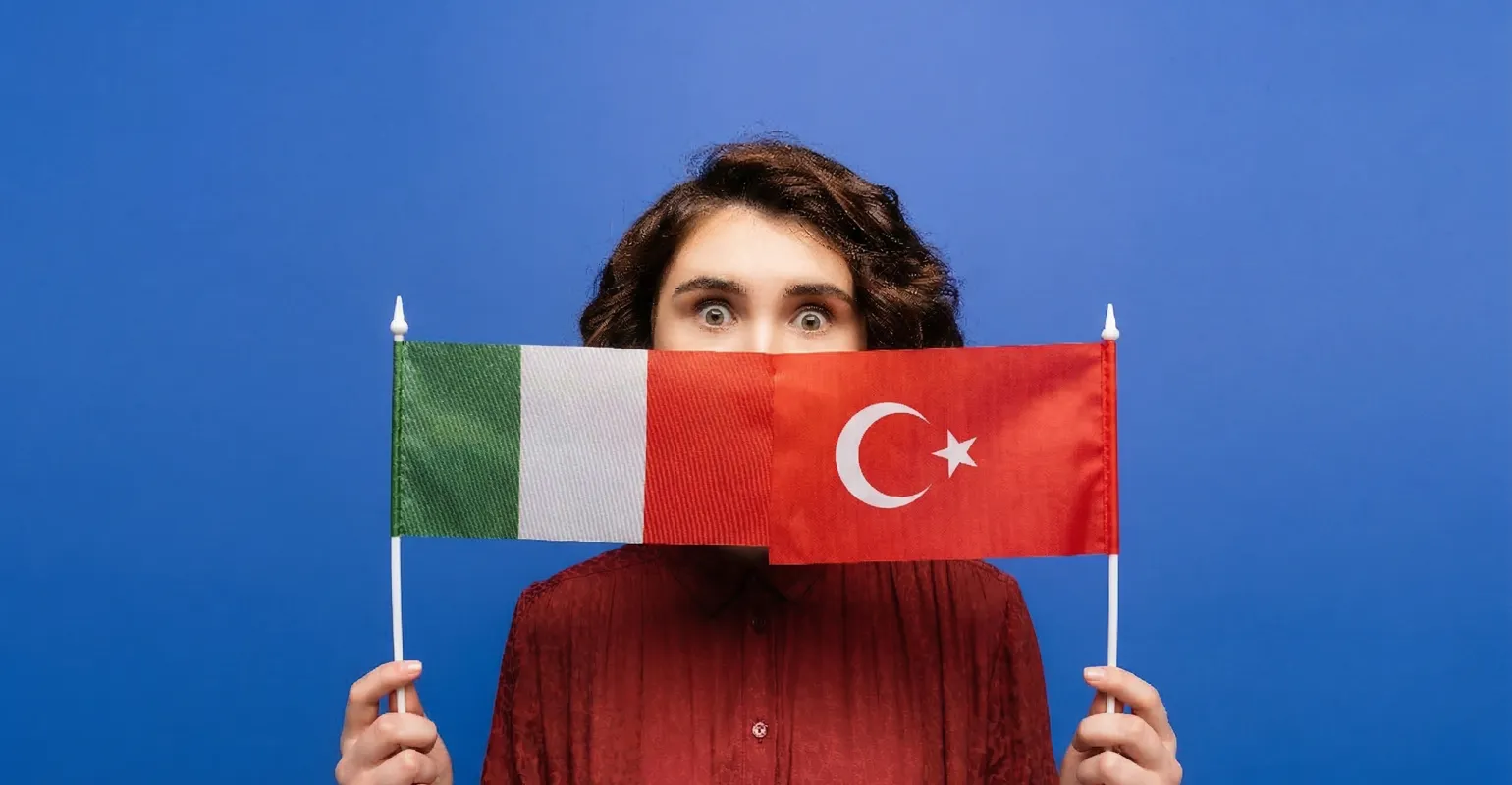
Italy and Turkey are two of Europe's most established wholesale clothing powerhouses but they serve very different buyer profiles. Italy is synonymous with luxury craftsmanship and premium fabrics. Turkey offers large-scale production, competitive pricing, and one of the fastest garment export pipelines in the world. Choosing between them isn't about which country is "better." It's about which one aligns with your business model, your target customer, and your budget.
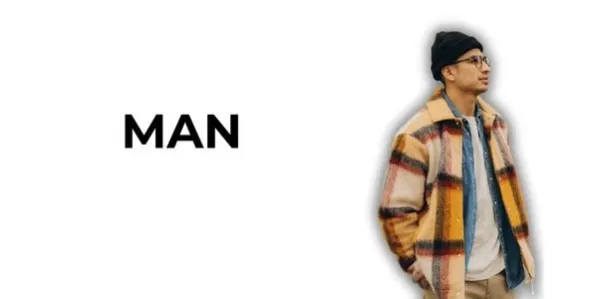
For international retailers sourcing wholesale clothing whether that's wholesale women clothing for a curated boutique or wholesale men clothing for a growing e-commerce store understanding the real differences in cost, quality, logistics, and supplier reliability is essential before placing a first order.
Industry Snapshot: Italy and Turkey as Sourcing Origins
Italy and Turkey are both top-tier textile and apparel exporters, but they operate at different scales and serve different segments of the global market.
Turkey generated $26.18 billion in combined textile and apparel exports in 2025, with apparel accounting for $16.77 billion and textiles for $9.4 billion. The country's total textile and apparel production value stands at $77.2 billion, making it one of the largest manufacturing bases in the region. Turkey ranks 5th globally among textile exporters, tied with Italy at roughly $12 billion each in the textile-only category (Türkiye Today, 2025). The EU is Turkey's largest export destination, absorbing $4.5 billion in textile shipments in 2025, with Italy, the United States, and Germany as top individual buyers.
Italy exported $36.3 billion in textiles in 2024, making it the 5th largest textile exporter in the world (out of 226 countries). France ($4.12B), Germany ($3.2B), and the United States ($2.64B) were its top export destinations. Italy maintained a net textile trade surplus of $9.32 billion in 2024 (OEC World, 2024). Italy's strength lies not in volume alone but in value per unit — its exports skew heavily toward premium fabrics, designer apparel, and high-end finished goods.
Turkey's competitive edge is scale, speed, and cost-efficiency. Italy's is brand prestige, material innovation, and luxury positioning.
What Turkey vs Italy Manufactures Best
Understanding what each country specialises in helps buyers match their product needs to the right sourcing origin.
Turkey is powerful in these wholesale clothing categories:
Women's ready-to-wear: dresses, blouses, knitwear, modest fashion
Men's basics and casualwear: t-shirts, trousers, polos, denim
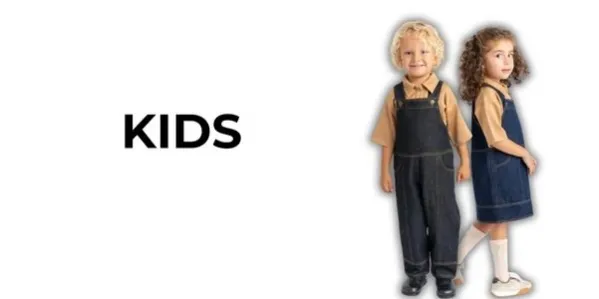
Children's clothing: one of Europe's largest producers
Denim and jersey fabrics: Turkey is among the world's top denim producers
Home textiles: towels, bedding, bathrobes
Italy leads in these wholesale clothing categories::
Luxury womenswear and menswear: tailored suiting, coats, designer ready-to-wear
Premium fabrics: silk, cashmere, fine wool, and high-performance synthetics
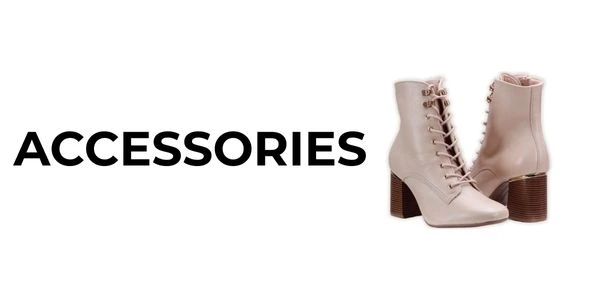
Accessories: scarves, ties, belts with artisan finishing
For boutique owners sourcing wholesale women clothing or wholesale men clothing, Turkey covers the broadest range of everyday and mid-market categories.
Cost, MOQs, and Lead Times Compared
This is where the Turkey vs Italy wholesale clothing decision often gets made. Price, order flexibility, and delivery speed directly impact your cash flow, inventory risk, and ability to test new products.
Wholesale Pricing and Minimum Order Expectations
Turkey and Italy occupy different pricing tiers, and their minimum order structures reflect that.
Turkey is built for volume and flexibility. MOQs are generally low by global manufacturing standards. Pricing is competitive: unit costs for mid-market wholesale women clothing or wholesale men clothing are typically 30–60% lower than equivalent Italian-made products, depending on fabric and finishing (Deepwear, 2025).
Italy operates on a smaller-batch, higher-value model. However, unit prices are significantly higher — you're paying for premium fabrics (Italian silk, cashmere, fine wool), artisan finishing, and the "Made in Italy" label, brings higher price (Deepwear, 2025).
Production Speed, Lead Times, and Shipping Logistics
Turkey is one of the fastest garment-producing countries for European and Middle Eastern buyers. Standard lead times for ready-made wholesale orders are 7–15 days. Custom or private-label production typically takes 20–30 days from order confirmation, and up to 4–6 weeks for more complex designs. Turkey's geographic position means shipping to EU countries takes 3–7 days by road and 1–2 days by air. For UK, Middle Eastern, and North African buyers, transit times are equally short.
Italy offers near-immediate availability for in-stock collections, but restocking is limited — popular styles sell out quickly with little replenishment flexibility. Custom production lead times run 4–8 weeks on average. Shipping within the EU is seamless (no customs clearance), which is a significant logistics advantage for European buyers. For non-EU buyers, however, Italian exports carry standard international shipping timelines.
Quality, Compliance, and Sustainability
For any retailer sourcing internationally, product quality and regulatory compliance aren't optional they're the baseline. Both Italy and Turkey have well-established quality infrastructures, but they approach standards, certifications, and sustainability from different positions.
Italy has built its global reputation on material excellence and finishing precision. Italian manufacturers — particularly in regions like Tuscany, Veneto, and Lombardy — are known for meticulous fabric selection, advanced dyeing techniques, and hand-finished detailing. Many Italian suppliers hold certifications such as OEKO-TEX Standard 100 (which verifies that textiles are free from harmful substances) and GOTS (Global Organic Textile Standard) for organic fibre processing.
Turkey has invested heavily in aligning its quality and compliance standards with European expectations — a strategic necessity given that the EU is its largest export market. Turkish manufacturers widely hold OEKO-TEX, ISO 9001 (quality management systems), and ISO 14001 (environmental management) certifications. Many export-focused factories also comply with BSCI (Business Social Compliance Initiative) and SEDEX audit requirements, which cover labour conditions, health and safety, and ethical business practices. Turkey's customs union agreement with the EU means that garments exported to European markets must meet the same product safety standards as goods produced within the EU.
In practical terms, both countries are capable of delivering export-quality garments that meet international retail standards. The difference is more about positioning: Italy's quality story centres on craftsmanship and luxury materials, while Turkey's centres on consistent, scalable production that meets European compliance benchmarks reliably across large order volumes.
Sustainability Credentials and Ethical Sourcing
Sustainability is no longer a differentiator it's a requirement. Retailers across Europe, the UK, and North America increasingly need to demonstrate that their supply chains meet environmental and social responsibility standards, both for regulatory reasons and to satisfy consumer expectations.
Italy benefits from the EU's comprehensive sustainability framework. Italian manufacturers are subject to the EU Strategy for Sustainable and Circular Textiles, which pushes for longer product lifespans, recyclability, and transparent supply chains. Many Italian fabric mills have adopted GRS (Global Recycled Standard) certification, and smaller artisan producers often emphasise low-waste, small-batch production as an inherent sustainability advantage. Italy's luxury segment is also moving toward full supply chain traceability — a trend driven by both regulation and high-end consumer demand.
Turkey has made significant progress in sustainable textile production, particularly among its larger, export-oriented manufacturers. Certifications like GRS, GOTS, and BCI (Better Cotton Initiative) are increasingly common among Turkish suppliers targeting European buyers. Turkey is also one of the world's largest producers of organic cotton, which gives it a natural advantage in sustainable fibre sourcing. However, sustainability standards can vary more widely across Turkey's manufacturing base so buyer due diligence is important.
For boutique owners and retailers evaluating suppliers, the key question isn't which country is "more sustainable" in the abstract. It's whether your specific supplier holds the certifications your market requires and whether they can document their compliance transparently. Both countries have suppliers that meet the highest standards — the task is finding and verifying them.
How to Find Reliable Suppliers
Finding a supplier is easy. Finding a reliable supplieris the real challenge. This is especially true when sourcing internationally, where language barriers, distance, and unfamiliar business practices add layers of risk.
Whether you're exploring Italian artisan workshops or Turkish wholesale manufacturers, the vetting process follows the same core principles.
Red Flags and Verification Steps for Both Markets
Before placing a first order with any supplier — in Turkey, Italy, or anywhere else — run through these verification steps:
Check business legitimacy. Request a trade licence, tax registration number, and export documentation. In Turkey, legitimate manufacturers and wholesalers are registered with local chambers of commerce and the Turkish Exporters Assembly (TİM). In Italy, look for registration with the local Camera di Commercio (Chamber of Commerce) and VAT identification.
Request samples before committing. Never place a bulk order based on catalogue images alone. Order physical samples to assess fabric quality, stitching, sizing accuracy, and finishing. Compare samples against the product descriptions and specifications you were given.
Verify certifications independently. If a supplier claims OEKO-TEX, GOTS, or ISO certification, ask for the certificate number and verify it through the issuing body's public database. Certifications that can't be verified are essentially meaningless.
For buyers who want to source wholesale clothing from Turkey but don't have the time, contacts, or local knowledge to vet suppliers independently, BtoBTurk was built to solve exactly that problem.
BtoBTurk is a B2B wholesale marketplace that connects international retailers and boutique owners directly with verified Turkish clothing manufacturers and wholesalers. Rather than navigating fragmented supplier directories, language barriers, and uncertain quality standards on your own, BtoBTurk centralises the discovery and procurement process in one platform.
How BtoBTurk Simplifies Sourcing from Turkey
Verified supplier profiles: Suppliers on the platform go through a vetting process, reducing the risk of fraud or misrepresentation that buyers face on open marketplaces.
Transparent pricing and MOQ information: Product listings include clear pricing, minimum order details, and available quantities, so you can evaluate whether a supplier fits your budget and order size before making contact.
The ability to purchase from multiple manufacturers in a single order.
A single entry point for international buyers: Whether you're based in the UK, Germany, the Middle East, or North America, BtoBTurk is designed to make cross-border wholesale purchasing from Turkey as straightforward as buying domestically.
For entrepreneurs launching their first online boutique or established retailers expanding their sourcing, BtoBTurk removes the steepest barrier to working with Turkish suppliers: trust. Instead of building a supplier network from scratch, you start with a curated, verified base and build from there.