




Trend Buying for Small Boutiques

For small boutique owners, buying inventory is not just a purchasing decision, it is a strategic process that directly impacts profitability, brand positioning, and customer retention. In today’s fast-moving fashion landscape, understanding how to identify and source the right trends at the right time can be the difference between slow-moving stock and high sell-through rates.
Trend buying in wholesale fashion requires a balance between data-driven decision-making and market intuition. Boutique owners must evaluate what is currently in demand, what is emerging, and what aligns with their specific target audience. This becomes even more critical when sourcing internationally, where lead times, minimum order quantities, and supplier reliability all influence buying decisions.
What Is Trend Buying in Wholesale Fashion?
Trend buying in wholesale fashion refers to the process of selecting inventory based on current and emerging consumer demand rather than relying solely on timeless or basic products. For small boutiques, this approach is essential to staying relevant in a competitive retail environment where customer preferences shift quickly and new styles gain traction almost overnight.
At its core, trend buying is about anticipating what customers will want to purchase in the near future and aligning your product assortment accordingly. This involves analyzing fashion cycles, monitoring consumer behavior, and working closely with wholesale suppliers who can deliver trend-driven collections with short lead times. Unlike traditional bulk buying, which often focuses on large quantities of basic items, trend buying emphasizes flexibility, smaller order volumes, and faster inventory turnover.
How Small Boutiques Can Identify Profitable Trends
Identifying profitable fashion trends is not about guessing, it is a structured process that combines data analysis, market observation, and supplier insights. For small boutiques, the goal is to validate demand before committing to inventory, ensuring that each product has a strong likelihood of selling at the desired margin.
Using Social Media Signals (Instagram, TikTok, Pinterest)
Social media platforms have become one of the most powerful tools for detecting early-stage fashion trends. Instagram, TikTok, and Pinterest function as real-time trend indicators, where styles gain visibility through influencers, creators, and user-generated content.
For boutique owners, the objective is not just to observe what is popular, but to understand why certain products are gaining traction. Look for repeated patterns such as specific cuts, colors, fabrics, or styling combinations that appear across multiple accounts. Viral content can signal short-term demand spikes, while consistently recurring styles often indicate longer-lasting trends.
TikTok, in particular, is known for accelerating micro-trends, especially in categories like dresses, co-ords, and casual wear. Pinterest, on the other hand, is more predictive, often reflecting future seasonal demand through search behavior. Instagram sits between the two, offering both trend validation and brand positioning insights.
Analyzing Demand Data
While social media highlights what is visible, wholesale marketplace data reveals what is actually selling. For small boutiques, this distinction is critical. A product may appear popular online, but without consistent order volume and repeat purchasing behavior, it may not translate into profitable inventory.
Wholesale platforms provide valuable signals such as best-selling categories, frequently restocked items, and supplier-level demand trends. By analyzing which products are consistently reordered by other retailers, boutique owners can identify styles with proven market traction rather than relying on assumptions. Metrics such as order frequency, product variety within a category, and pricing ranges help validate whether a trend has real commercial potential.
Monitoring Competitor Assortments and Pricing
Competitor analysis is a practical and often overlooked method for identifying profitable trends. For small boutiques, competitors are not just rivals. They are real-time indicators of what is currently being tested and sold in the market.
Start by identifying boutiques that target a similar audience, price range, and product category. Analyze their assortments: which items are consistently featured, restocked, or promoted? Products that remain visible over time often indicate strong sales performance.
Pricing is equally important. Understanding how competitors price similar items helps you position your own products competitively while maintaining healthy margins. If multiple boutiques are offering similar styles within a specific price range, it signals an established market expectation.
However, the goal is not to copy competitors directly. Instead, use their assortments as validation and then differentiate through sourcing, styling, or product variation. Turkish suppliers can support this by offering customizable options, alternative fabrics, or slight design modifications that help your boutique stand out.
Effective competitor monitoring allows you to reduce uncertainty, confirm demand, and refine your buying strategy based on real market behavior rather than speculation.
Leveraging Trade Shows and Supplier Catalogs
Trade shows and supplier catalogs remain some of the most reliable sources for identifying validated fashion trends at the wholesale level. Unlike social media, which often reflects early or experimental trends, trade shows present collections that have already been curated based on market demand, production feasibility, and commercial viability.
For small boutiques, attending international or regional trade shows, whether physically or virtually, provides direct access to manufacturers, new collections, and upcoming seasonal directions. These events allow buyers to evaluate product quality, compare suppliers, and identify trend patterns across multiple brands in a single environment. When similar styles appear across different suppliers, it is often a strong indicator of a scalable trend.
Supplier catalogs offer a more accessible, ongoing alternative. Turkish wholesalers frequently update their catalogs with new arrivals, seasonal collections, and best-selling items. Reviewing these catalogs regularly helps boutique owners stay aligned with current production trends and discover products that are already being prepared for global distribution.
Product Categories with High Trend Volatility
Not all fashion categories behave the same way. Some segments experience rapid trend shifts, where styles can rise and fall within a single season. For small boutiques, understanding which categories have high trend volatility is essential for managing risk, planning inventory turnover, and selecting the right sourcing strategy.
High-volatility categories are typically driven by fast-changing consumer preferences, influencer culture, and seasonal demand. These include women’s fast fashion, activewear, and certain accessory segments. Products in these categories can generate strong short-term sales but require careful timing and smaller order quantities to avoid overstock.
Women’s Fashion (Dresses, Tops, Co-ords)
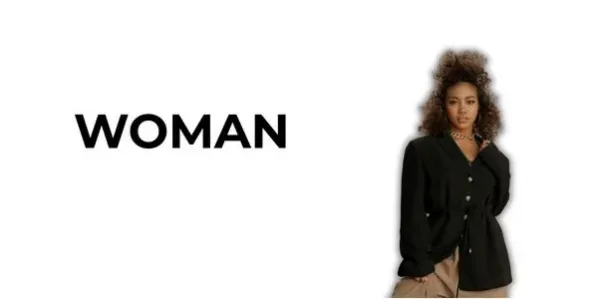
Women’s fast fashion is one of the most trend-sensitive and commercially dynamic categories in wholesale clothing. Styles such as dresses, tops, and co-ord sets can gain popularity rapidly through social media exposure and influencer adoption, making them highly profitable inventory choices for small boutiques.
The key characteristic of woman wholesale fashion category is speed. Trends can emerge, peak, and decline within a matter of weeks. For example, a specific dress silhouette or fabric, such as satin slip dresses or oversized shirts, can quickly dominate online visibility and then fade as new styles replace it. This makes timing critical. Boutiques that enter early can benefit from strong margins and fast sell-through, while late adopters often face price competition and unsold stock.
To manage this volatility, small boutiques should focus on small-batch purchasing and rapid testing. Instead of committing to large quantities, order limited units across multiple styles and monitor which products perform best. This reduces risk while allowing flexibility to restock winning items.
Modest Fashion and Emerging Global Demand
Modest fashion has evolved from a niche segment into a globally recognized category with consistent and growing demand. For small boutiques, this presents a unique opportunity: unlike fast fashion micro-trends, modest fashion combines trend responsiveness with longer product lifecycles and strong customer loyalty. You can check out our blog post to get detailed information about the trend of modest fashion.
In wholesale terms, modest fashion includes garments such as maxi dresses, long tunics, abayas, modest co-ord sets, and layered outfits designed with longer hemlines, relaxed fits, and higher necklines. While the category is influenced by cultural and religious preferences, its appeal has expanded significantly to include consumers seeking comfort, versatility, and refined styling.
Activewear and Athleisure Growth Trends
Activewear and athleisure have become core categories in modern fashion retail, driven by lifestyle shifts toward comfort, wellness, and hybrid work environments. For small boutiques, this category offers consistent demand combined with trend-driven variation in design, making it both stable and scalable.
From a wholesale perspective, activewear benefits from repeat purchasing behavior. Customers often buy multiple sets or return for new colors and variations, increasing lifetime value. This makes it an attractive category for boutiques aiming to build consistent revenue streams.
Accessories as Low-Risk Trend Entry Points
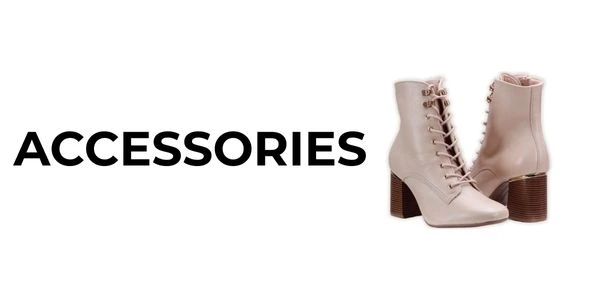
Accessories are one of the most effective ways for small boutiques to participate in fashion trends without taking on significant inventory risk. Compared to apparel, accessories typically require lower investment per unit, have fewer sizing constraints, and offer faster turnover potential.
Categories such as bags, jewelry, scarves, belts, and sunglasses often reflect current trends through colors, materials, and design details rather than full garment changes. This makes them ideal for testing new styles. For example, a trending color or pattern can be introduced through accessories before committing to larger apparel orders.
Another advantage is margin flexibility. Accessories often allow for higher markups, especially when positioned as complementary items within an outfit. This supports upselling strategies and increases average order value.
Turning Trend Insight into Profitable Buying Decisions
Trend buying is not about chasing every new style it is about making informed, strategic decisions that align with your boutique’s identity, customer expectations, and financial goals. For small boutiques, success comes from combining trend awareness with disciplined execution: identifying the right products, sourcing them efficiently, and managing inventory with precision.
Throughout this guide, one principle remains consistent: validation reduces risk. Whether trends are identified through social media, wholesale data, competitors, or supplier insights, the goal is to confirm demand before scaling orders. Small-batch testing, fast feedback loops, and selective restocking allow boutiques to stay agile while protecting margins.
Ultimately, profitable trend buying is a system. It requires continuous observation, data-driven decisions, and strong supplier relationships. Boutique owners who treat buying as an ongoing strategic process, rather than a one-time task, position themselves to adapt, grow, and compete effectively in the global fashion market.